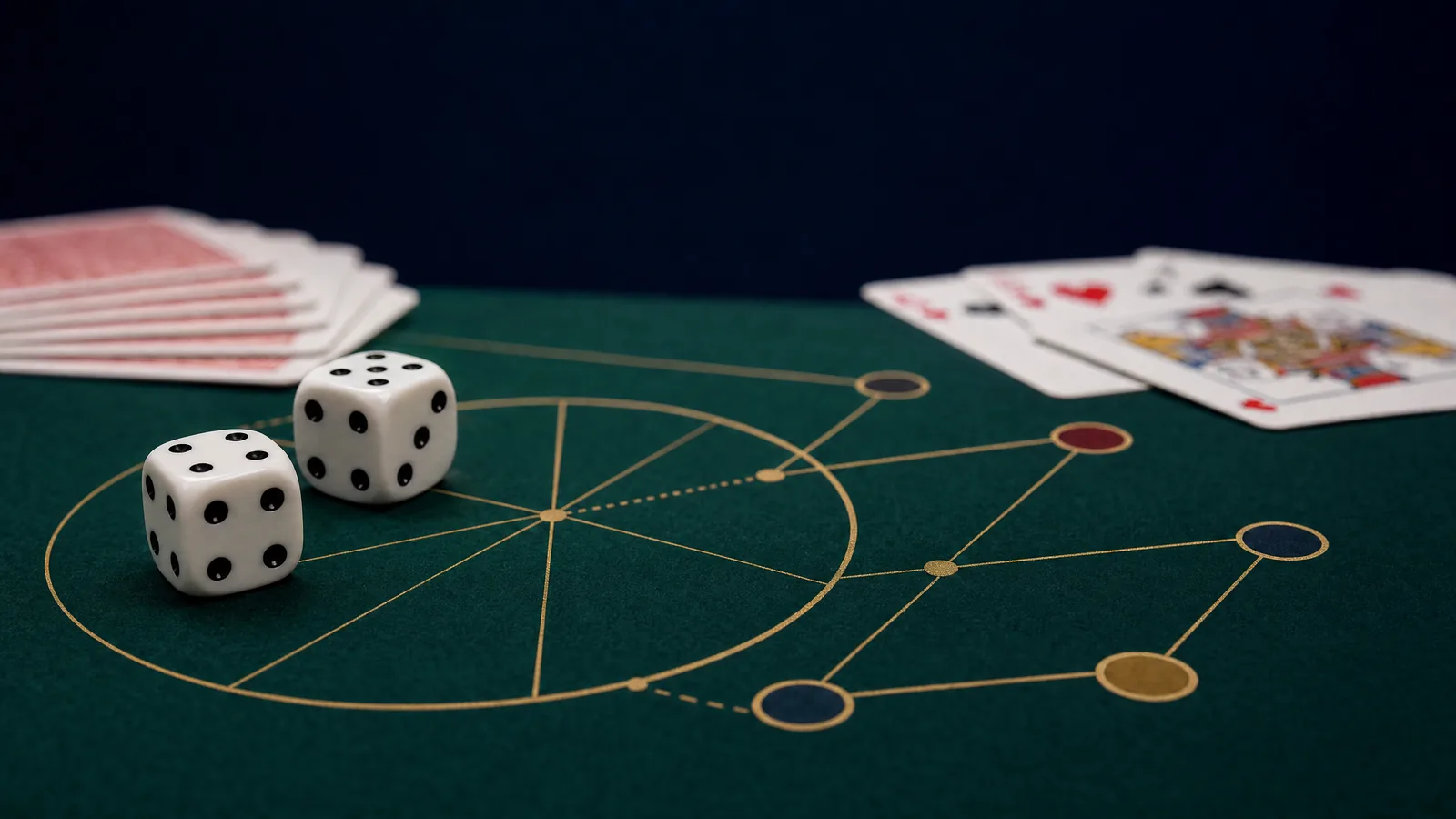
Probability describes how likely different outcomes are under a defined process. In a card-based simulation, the process might involve shuffling a deck and drawing cards. In a dice-based simulation, the process might involve generating a number from one to six. Social casino players often notice streaks, near misses, or repeated outcomes, but those patterns can appear naturally in random systems. A streak does not prove that a system is “due” to reverse, and a near miss does not create progress toward a later result.
TenePlays avoids claiming regulated gambling odds because the minigame is an entertainment demo, not a licensed gambling product. The site can explain that its client-side game uses randomized card draws and a transparent paytable, but it does not present those results as professional odds, wagering advice, or predictions for any real-money environment. Simulated outcomes are limited to the browser session and affect only virtual coins with no real-world value.
One useful concept is independence. If a process is designed so each round begins fresh, previous rounds do not control the next one. People naturally search for patterns because pattern recognition is part of human thinking, but random entertainment systems can produce clusters that feel meaningful even when they are not. Responsible play means noticing those feelings without making financial or emotional decisions based on them.
Probability education can make social casino entertainment less mysterious. It encourages visitors to see outcomes as part of a simulation, not as signals about luck, skill, destiny, or future results. That perspective aligns with the TenePlays disclaimer: for entertainment purposes only, with no real money or prizes.